Andrew
General educational commentary only, generated automatically with AI. Not investment advice or a recommendation to buy, sell or hold any security. Capital is at risk.
Dow Rises While Technology Shares Face Renewed Pressure
The Dow rose 1.05%, or 548 points, to 52,513.98 on Tuesday, according to the market brief. Solid earnings and falling oil prices supported the blue-chip index. Technology shares remained under pressure. The brief described the session as mixed to higher.
A sharp drop in South Korean data-center firm Elice on its market debut revived questions about AI infrastructure spending. The brief said investors are asking whether such spending can earn adequate returns. Some companies rely on debt and future fundraising to finance expansion.
AI Spending Questions Return after Weak Debut
The market brief linked the Elice debut to renewed concerns about AI spending and financing. These questions had faded in recent weeks but returned on Tuesday. The brief also noted that the market's next test is whether earnings growth extends beyond a narrow group of technology and AI-linked companies.
High borrowing costs add to the strain. Economists expect the 10-year Treasury yield to remain above 5% into 2027, according to the brief. A Reuters survey found nearly all economists expect the Fed to hold in October and raise rates again in December.
Housing Data Shows Rate Sensitivity
September pending home sales fell 7.3% from August to a record low, the brief reported. Housing starts also missed forecasts. The brief described housing as flashing warning signs as the Fed weighs more rate hikes. These figures suggest that high rates are affecting rate-sensitive parts of the economy.
Lower oil prices and hopes for U.S.-Iran diplomacy helped sentiment, according to the brief. The Dow benefited from both. The brief attributed the market's recovery from early-session pressure to these factors.
Online Sentiment Shifts toward AI Themes after Hours
Social sentiment comes from unverified posts by anonymous retail users online. This material may include rumour or speculation and has not been checked. It should not be treated as fact or as confirmed institutional positioning.
The social sentiment report described a sharp swing in mood during the session. Before the close, the tone was tired and irritated. After hours, sentiment jumped toward greed. The report estimated the fear/greed level rose from about 40 to about 65. Greed was concentrated in AI computing, semiconductors, and the storage supply chain. Holders of some media and internet platform themes remained pessimistic.
The report said discussion split into two camps on AI infrastructure earnings. Some focused on revenue and net income beats. Others focused on capital spending that exceeded revenue and on adjusted metrics. One reading is that the online crowd remains divided on whether AI spending will produce durable returns. This may suggest that sentiment is sensitive to single earnings reports.
Chart Screen Highlights Weakness in One Name
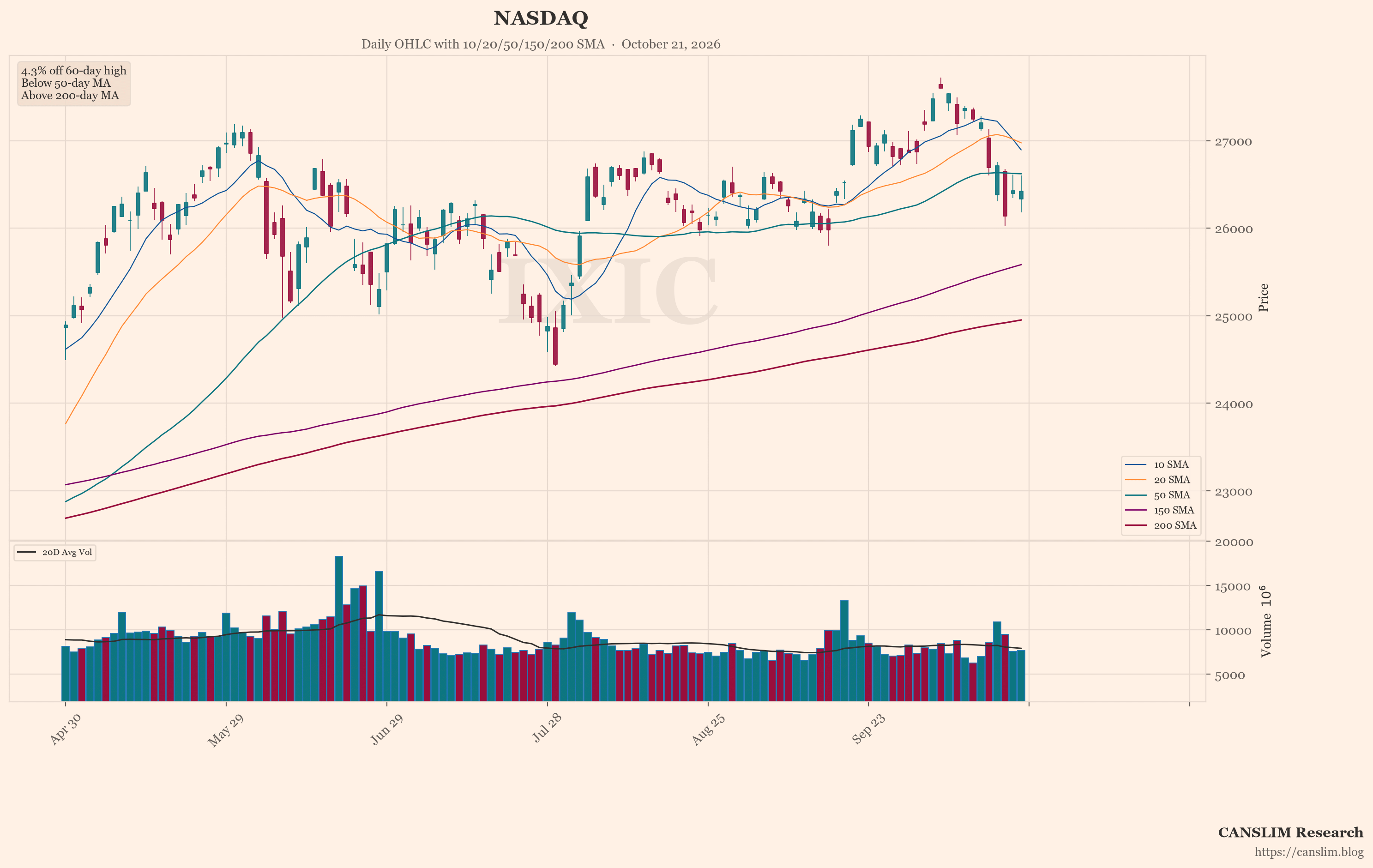
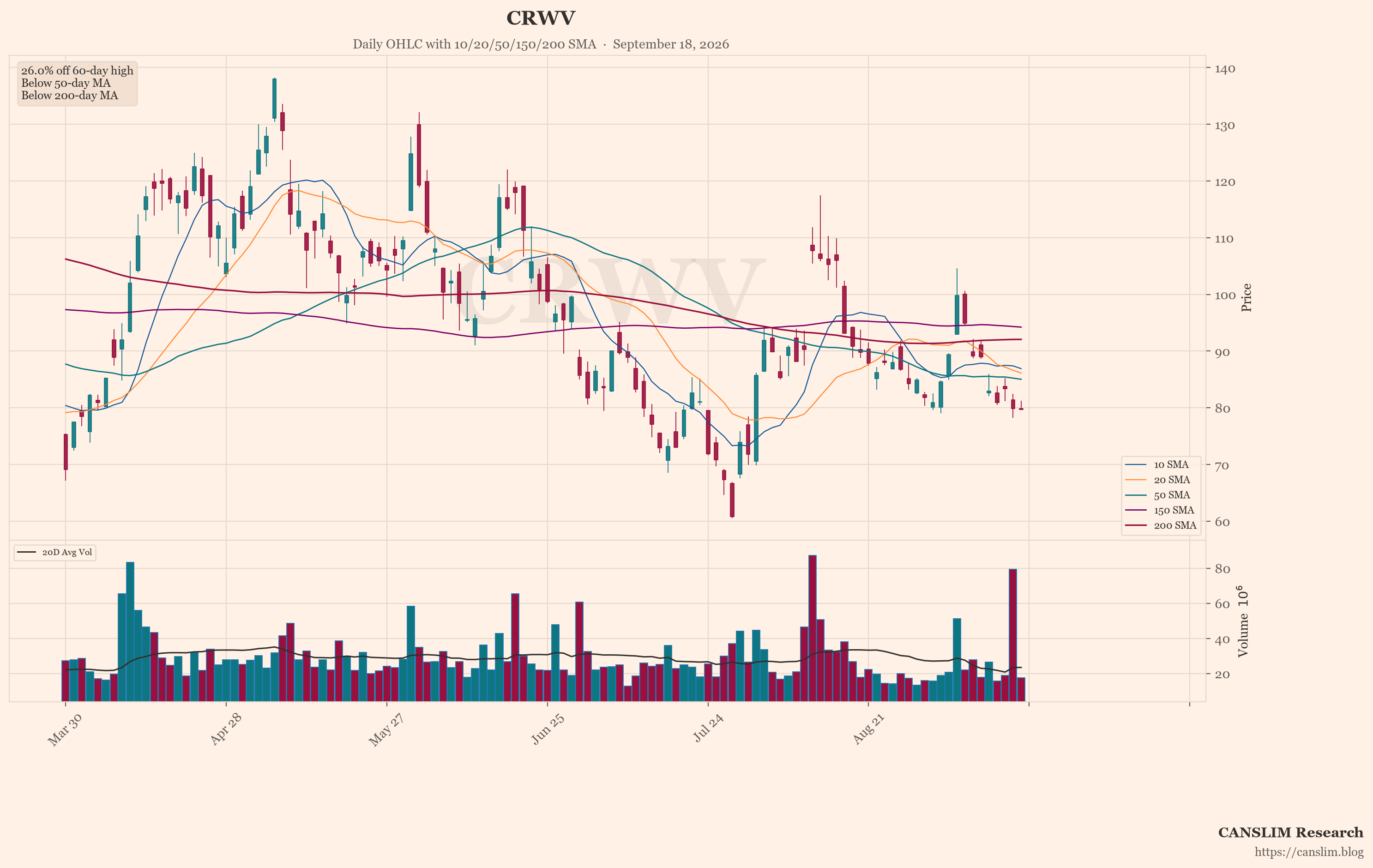
The featured chart shows TV. An automated technical screen picked it because, among the indices and stocks it checked, it showed the most weakness on a few measures. These measures included distance from its recent high, position versus its 50-day and 200-day moving averages, and down days on higher volume. One screen is not a full view. Past price patterns do not predict future results.
Mixed Signals Leave Direction Uncertain
The sources describe a market pulled in different directions. The Dow gained on earnings and lower oil. Technology faced pressure from AI financing questions. Treasury yields are forecast to stay high. Housing data weakened. The Fed is expected to hold in October and raise again in December.
Online sentiment swung sharply after hours toward AI themes. That sentiment is unverified and may not reflect actual flows. The brief noted that the next test is whether earnings growth extends beyond a narrow group of technology and AI-linked companies. Until that question is answered, the market's direction may remain uncertain. Risks include high financing costs, weak housing, and the possibility that AI spending does not earn adequate returns.
Sources: a third-party AI-generated market news summary, and an AI summary of unverified posts by anonymous retail users online. This article was written by an AI language model from those summaries and published automatically without human review. Updated 2026-10-21 06:00 HKT.
CANSLIM Research (canslim.blog) is an independent educational publisher. It is not licensed or registered as a broker, investment adviser, research analyst or asset manager in any jurisdiction. This article is general information for education only. It is not investment advice, a research report, an investment recommendation, or an offer or solicitation to buy or sell any security, and it does not consider any reader's objectives, financial situation or needs. No ticker, chart, heading or technical comment is a suggestion to buy, sell, hold or short. Figures come from third-party sources, are not independently verified, and may be incomplete, out of date or wrong. Online sentiment may include rumour, speculation or coordinated posting. Past performance and past price patterns do not predict future results. Investing involves risk, including the loss of capital. This article is not updated after publication. Laws differ by country; seek advice from a licensed professional in your jurisdiction before making any investment decision.
Discover more from CANSLIM Research
Subscribe to get the latest posts sent to your email.