 Andrew@CANSLIM RESEARCH
The Trump administration’s deregulatory push on AI and environmental policy is being challenged by the Supreme Court’s rejection of mail-in ballot restrictions, creating legal uncertainty. The Senate’s failure to pass the crypto Clarity Act leaves digital assets without a clear framework, while the EPA’s repeal of carbon standards benefits utilities but raises long-term environmental concerns. Markets are digesting a mixed policy landscape with significant sector-specific implications.
In a day marked by judicial and legislative developments, the Trump administration faced a setback as the Supreme Court blocked its mail-in ballot restrictions, while its deregulatory agenda advanced through the EPA’s repeal of carbon pollution standards and a push for AI safety rollbacks. The Senate’s rejection of the crypto Clarity Act underscores the ongoing divide over digital asset regulation, leaving investors to navigate a complex political-economic environment.
Key Theme: The Trump administration’s deregulatory agenda faces judicial and legislative hurdles, creating a mixed landscape for investors across technology, energy, and digital assets.
Supreme Court Blocks Mail-in Ballot Restrictions
Published: 16 September
The Supreme Court ruled against the Trump administration’s attempt to restrict mail-in voting, prompting criticism from the former president. The White House has stated it will comply with the ruling, while House Democrats failed to impeach Trump over the matter.
Market Implication: The decision reduces immediate political uncertainty but signals ongoing legal battles that could affect election-related spending and regulatory stability. Companies involved in election infrastructure and digital security may see mixed effects.
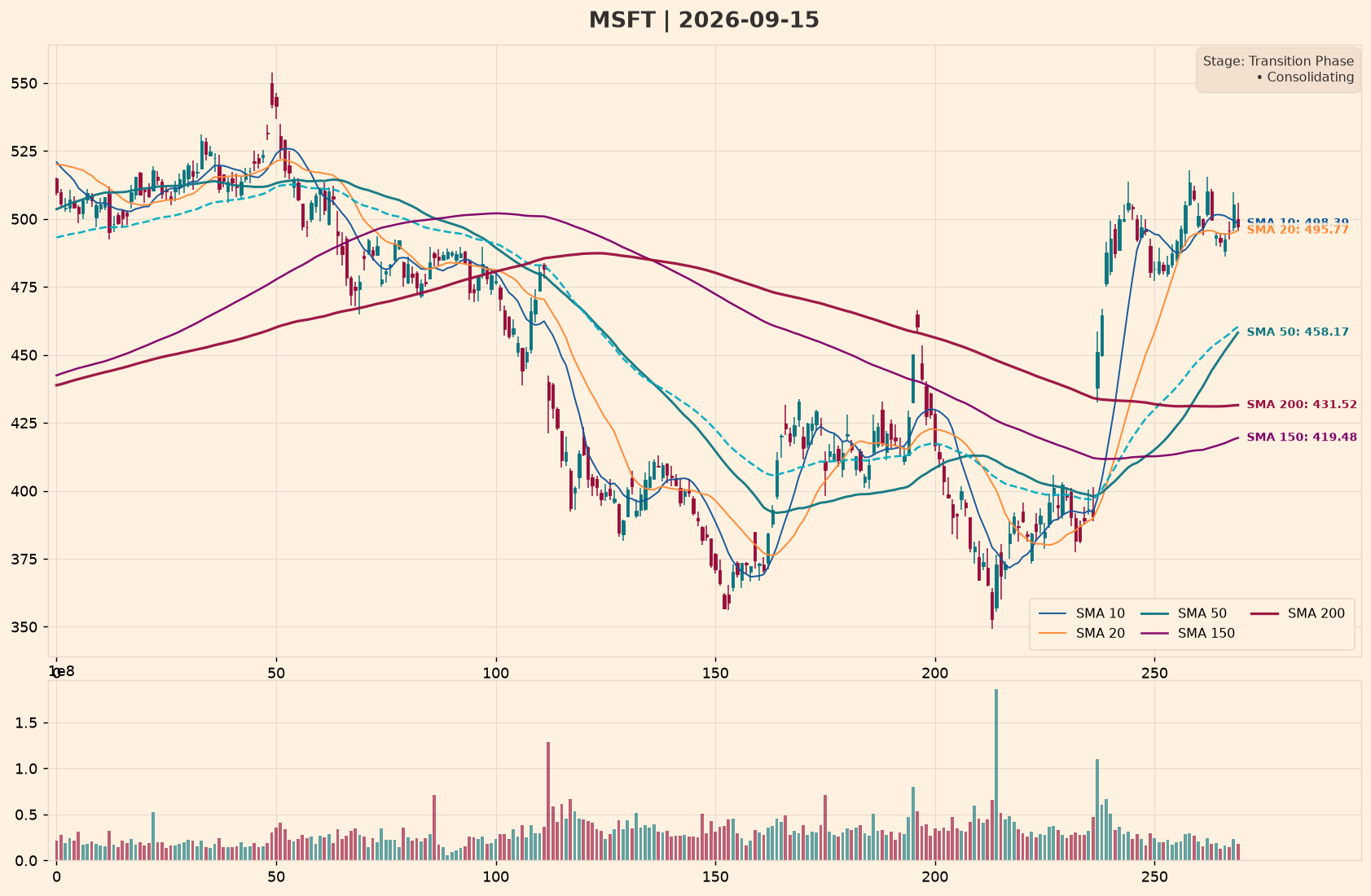
MSFT — Microsoft CorporationNeutral
Policy Nexus: As a major provider of election security software, the ruling maintains the status quo, with no immediate impact on earnings.

Trend Structure: Transition Phase
GOOGL — Alphabet Inc.Neutral
Policy Nexus: Google’s advertising and cloud services may see stable demand from election-related activities, but the ruling does not alter the broader regulatory landscape.

Trend Structure: Transition Phase
Senate Fails to Pass Crypto Clarity Act
Published: 16 September
The Trump-backed crypto Clarity Act failed to pass in the Senate, leaving digital asset regulation in limbo. The bill aimed to provide clarity on cryptocurrency oversight but faced bipartisan opposition.
Market Implication: The failure prolongs regulatory uncertainty for the crypto industry, potentially dampening institutional adoption and innovation. Crypto-related equities may face downward pressure as investors await clearer rules.
COIN — Coinbase Global, Inc.Bearish
Policy Nexus: As a leading crypto exchange, Coinbase is directly impacted by the lack of regulatory clarity, which could hinder its expansion and increase compliance risks.

Trend Structure: Transition Phase
MSTR — MicroStrategy IncorporatedBearish
Policy Nexus: MicroStrategy’s significant bitcoin holdings make it vulnerable to negative sentiment following the legislative setback.

Trend Structure: Transition Phase
EPA Repeals Carbon Pollution Standards for Power Plants
Published: 16 September
The Environmental Protection Agency repealed Biden-era carbon pollution standards for power plants, a move that aligns with the Trump administration’s deregulatory agenda. The repeal is expected to reduce compliance costs for utilities.
Market Implication: Utilities stand to benefit from lower operating costs, but the repeal may lead to increased long-term environmental risks and potential legal challenges. Renewable energy companies could face headwinds.
XLU — Utilities Select Sector SPDR FundBullish
Policy Nexus: The ETF tracks utility companies that will benefit from reduced regulatory burdens and lower compliance costs.

Trend Structure: Stage 4 (Declining)
NEE — NextEra Energy, Inc.Bearish
Policy Nexus: NextEra, a leader in renewable energy, may see reduced demand for clean energy solutions as carbon standards are relaxed.

Trend Structure: Transition Phase
Trump Pushes AI Deregulation, Rejects Safety Safeguards
Published: 16 September
President Trump advocated for data center expansion and dismissed AI safety concerns as a ‘hoax,’ while Congress remains divided on regulation. The administration’s stance favours rapid AI development over precautionary measures.
Market Implication: The push for deregulation could accelerate AI innovation and adoption, benefiting technology companies. However, the lack of safety safeguards may lead to reputational and regulatory risks in the long term.
NVDA — NVIDIA CorporationBullish
Policy Nexus: NVIDIA’s AI chips are in high demand, and deregulation could further boost sales as data center expansion accelerates.

Trend Structure: Transition Phase
MSFT — Microsoft CorporationNeutral
Policy Nexus: Microsoft’s AI initiatives may benefit from a favourable regulatory environment, but the company also faces potential backlash over safety concerns.
Trend Structure: Transition Phase
National Guard Deployed to Memphis; 12,000 Arrests
Published: 16 September
The Trump administration deployed the National Guard to Memphis, resulting in 12,000 arrests as part of a law enforcement surge. The move has sparked political controversy and raised questions about civil liberties.
Market Implication: The deployment may lead to short-term social unrest and increased security costs, but the overall market impact is likely limited unless it escalates. Companies with significant operations in Memphis may face disruptions.
FDX — FedEx CorporationNeutral
Policy Nexus: FedEx has a major hub in Memphis; while operations may be affected by the deployment, the long-term impact is uncertain.

Trend Structure: Transition Phase
Risk Management & Conclusion
Investors should remain vigilant amid these policy shifts, adhering to CAN SLIM principles by focusing on companies with strong fundamentals and avoiding those with regulatory overhangs. Strict stop-losses are essential to manage the heightened political and legal risks, as the market’s reaction to these events may be volatile and sector-specific.
Read more market analysis at http://canslim.blog
Disclaimer: For institutional research observation only. Not investment advice. Always apply prudent risk management and strict stop-loss protocols.
Discover more from CANSLIM Research
Subscribe to get the latest posts sent to your email.