 Andrew@CANSLIM RESEARCH
President Trump has intensified deregulation by easing power plant climate rules and rejecting AI guardrails, while the Supreme Court blocked his mail-in voting plan. These moves favour fossil fuels and AI chipmakers but create uncertainty for renewable energy and financials tied to Russia sanctions. Markets should brace for sector-specific volatility amid legal challenges.

In a week marked by aggressive deregulation and legal battles, President Trump has moved to dismantle climate regulations for power plants and resisted calls for AI oversight, signalling a business-friendly stance that prioritises energy independence and technological leadership. Meanwhile, the Supreme Court’s rejection of his mail-in voting plan and ongoing lawsuits over immigration rules underscore the contentious political landscape. Investors must navigate a shifting regulatory environment where sector fortunes hinge on policy whims.
Key Theme: The Trump administration’s deregulatory agenda and assertive foreign policy are reshaping sector dynamics, favouring fossil fuels and AI while creating legal and geopolitical uncertainties.
Trump Eases Power Plant Climate Regulations
Published: 15 September
The Trump administration announced a rollback of Obama-era climate regulations on power plants, allowing coal and natural gas plants to operate with fewer emissions restrictions. The move is part of a broader effort to boost domestic energy production and reduce regulatory burdens.
Market Implication: The deregulation favours fossil fuel producers and utilities reliant on coal and gas, potentially lowering compliance costs and boosting profitability. However, renewable energy firms may face headwinds as the playing field tilts away from clean energy incentives.
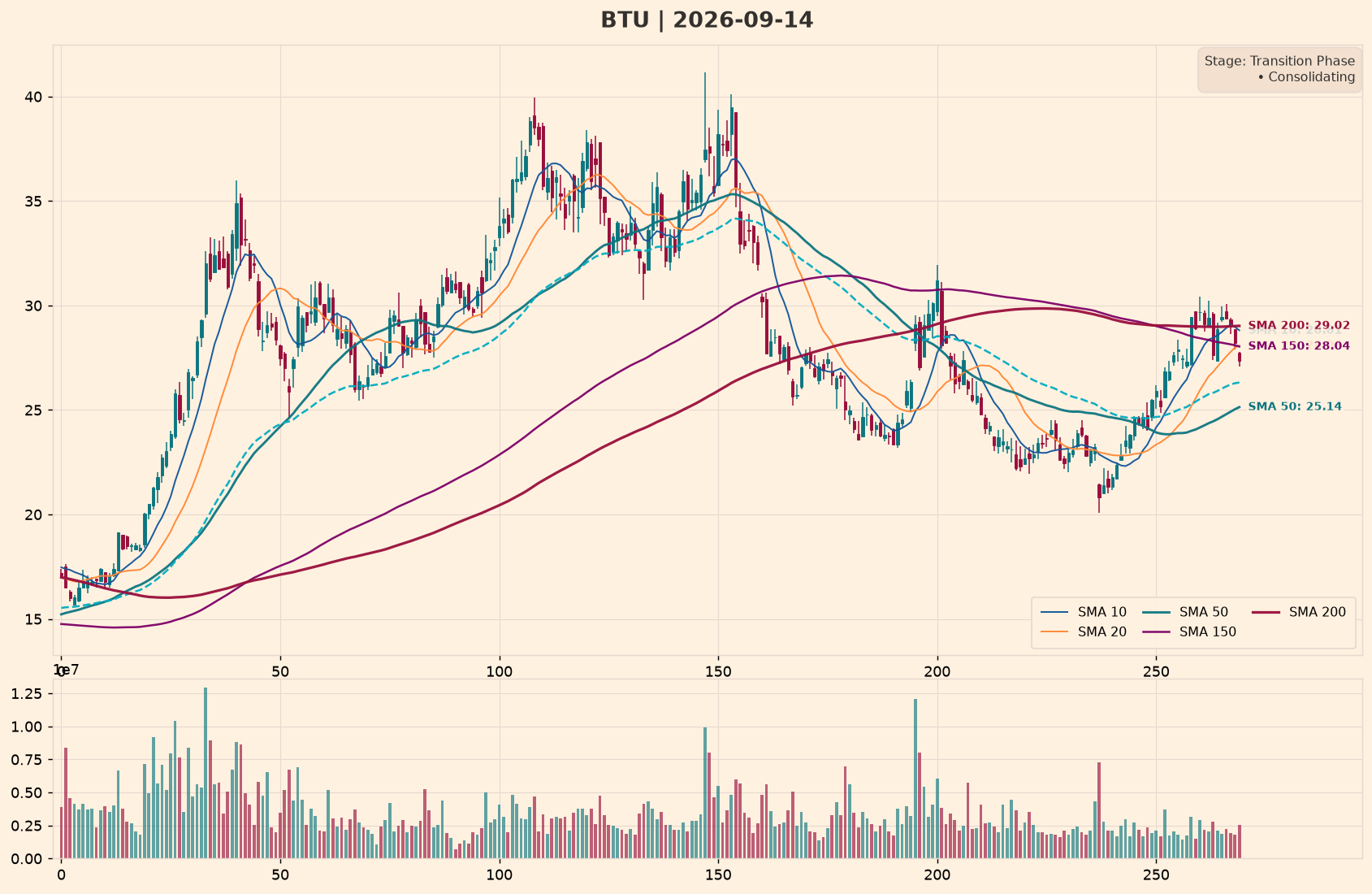
BTU — Peabody Energy CorporationBullish
Policy Nexus: Reduced regulatory burden on coal plants enhances the competitiveness and profitability of coal producers like Peabody.

Trend Structure: Transition Phase
NEE — NextEra Energy, Inc.Bearish
Policy Nexus: As a leading renewable energy provider, NextEra may see diminished policy support and increased competition from fossil fuels.

Trend Structure: Transition Phase
Trump Rejects AI Regulation Calls
Published: 15 September
President Trump dismissed calls for stringent AI regulation, stating that overregulation could hinder innovation and that the US must lead in AI development. He emphasised a light-touch approach to maintain technological supremacy.
Market Implication: The stance benefits AI-focused technology companies by reducing compliance risks and fostering innovation. Semiconductor firms and cloud providers stand to gain as AI adoption accelerates without regulatory hurdles.
NVDA — NVIDIA CorporationBullish
Policy Nexus: NVIDIA’s AI chips are in high demand; a deregulated environment supports faster deployment and sales growth.

Trend Structure: Transition Phase
MSFT — Microsoft CorporationBullish
Policy Nexus: Microsoft’s AI and cloud services can expand more rapidly without stringent regulatory constraints.

Trend Structure: Transition Phase
Supreme Court Denies Trump Mail-in Voting Plan
Published: 15 September
The Supreme Court rejected the Trump administration’s proposal to restrict mail-in voting, citing lack of legal basis. The decision upholds existing voting rights and could impact upcoming elections.
Market Implication: The ruling reduces uncertainty around election integrity but may not have direct market implications. Companies in the voting technology and logistics sectors could see modest effects.
DOMA — Doma Holdings Inc.Neutral
Policy Nexus: Doma provides title insurance and real estate services; the voting decision has minimal direct impact on its core business.
(Technical chart unavailable)
Trump Sanctions Russian Bank VTB Over Iran
Published: 15 September
The US imposed sanctions on Russia’s VTB Bank for alleged involvement in facilitating Iranian oil transactions, aiming to pressure both countries. The sanctions freeze assets and restrict US entities from doing business with VTB.
Market Implication: The sanctions could disrupt global financial flows and heighten tensions with Russia, potentially affecting banks with exposure to Russian markets. Energy markets may see volatility if Iranian oil supply is further constrained.
JPM — JPMorgan Chase & Co.Bearish
Policy Nexus: JPMorgan has significant international operations and could face compliance costs and reduced business opportunities due to sanctions.

Trend Structure: Transition Phase
States Sue Over Public Charge Green Card Rule
Published: 15 September
A coalition of states filed a lawsuit against the Trump administration’s ‘public charge’ rule, which denies green cards to immigrants likely to use public benefits. The lawsuit argues the rule is discriminatory and harmful to public health.
Market Implication: The legal challenge creates uncertainty for industries reliant on immigrant labour, such as agriculture and healthcare. Prolonged litigation could delay implementation, but if upheld, it may exacerbate labour shortages.
HCA — HCA Healthcare, Inc.Neutral
Policy Nexus: HCA relies on a diverse workforce; the rule’s impact depends on the lawsuit’s outcome, but near-term effects are uncertain.

Trend Structure: Transition Phase
Risk Management & Conclusion
Investors should remain vigilant amid rapid policy shifts, employing strict risk management. Adhere to CAN SLIM principles by focusing on companies with strong fundamentals and technical strength, and always set stop-losses to mitigate downside risks in this volatile environment.
Read more market analysis at http://canslim.blog
Disclaimer: For institutional research observation only. Not investment advice. Always apply prudent risk management and strict stop-loss protocols.
Discover more from CANSLIM Research
Subscribe to get the latest posts sent to your email.