 Andrew@CANSLIM RESEARCH
Executive Summary
US-Canada trade negotiations collapsed, prompting retaliatory tariffs of up to 50% and deepening economic uncertainty. The Supreme Court’s decision to allow mail-in voting restrictions in 23 states adds to political tensions, while approval ratings for President Trump hit a record low. Markets face heightened volatility as trade and political risks converge.
The geopolitical landscape on August 26, 2026, is marked by escalating trade tensions between the US and Canada, a contentious Supreme Court ruling on voting rights, and a widening array of sanctions against Iran. These developments underscore a period of heightened political and economic uncertainty, with potential repercussions for global markets and investor sentiment.
Key Theme: The day’s narrative is dominated by escalating trade conflicts, judicial interventions in voting rights, and geopolitical sanctions, all contributing to heightened political and economic uncertainty.
US-Canada trade talks collapse
Published: 26 August
Negotiations between the US and Canada to resolve trade disputes have broken down, leading Canada to impose retaliatory tariffs of up to 50% on US goods. The collapse follows President Trump’s provocative proposal to rename Lake Ontario to ‘Lake America’, further inflaming tensions.
Market Implication: The breakdown threatens to disrupt cross-border trade, particularly in sectors such as agriculture, automotive, and energy. Canadian tariffs on US goods could raise costs for US manufacturers and exporters, potentially leading to supply chain disruptions and higher consumer prices.
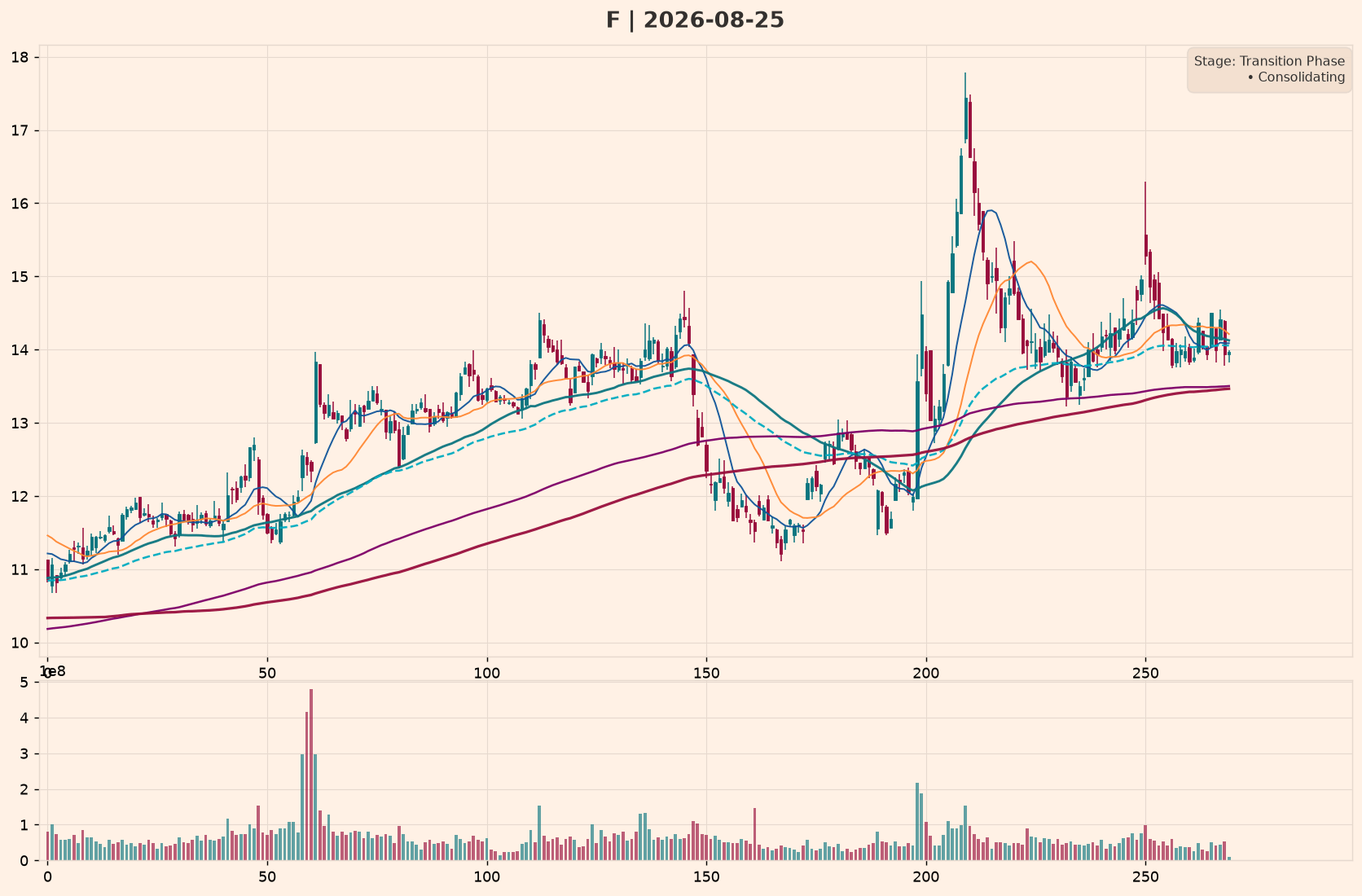
F — Ford Motor CompanyBearish
Policy Nexus: Ford relies heavily on integrated US-Canada supply chains; tariffs could increase production costs and disrupt operations.

Trend Structure: Transition Phase
CAT — Caterpillar Inc.Bearish
Policy Nexus: Caterpillar exports heavy machinery to Canada; retaliatory tariffs could reduce demand and hurt revenues.

Trend Structure: Transition Phase
Supreme Court allows mail-in voting restrictions
Published: 26 August
The US Supreme Court has lifted a block on mail-in voting restrictions in 23 states, and the Department of Justice is seeking to apply these restrictions nationwide. This decision could significantly affect voter access in upcoming elections.
Market Implication: The ruling may increase political uncertainty and affect sectors sensitive to policy changes, such as media and technology companies that rely on advertising revenue during election cycles. It could also influence consumer sentiment and spending.
DIS — The Walt Disney CompanyNeutral
Policy Nexus: Disney’s media networks may see changes in political advertising revenue, but the impact is uncertain and likely limited.

Trend Structure: Transition Phase
GOOGL — Alphabet Inc.Neutral
Policy Nexus: Alphabet’s advertising business could be affected by changes in election spending, but the net effect is unclear.

Trend Structure: Transition Phase
US widens sanctions on Iran
Published: 26 August
The US has expanded sanctions against Iran, prompting Tehran to vow retaliation. The move escalates geopolitical tensions in the Middle East, particularly in the Strait of Hormuz, a critical oil shipping lane.
Market Implication: Sanctions on Iran could tighten global oil supplies, leading to higher oil prices and benefiting energy companies. However, the threat of retaliation raises risks of supply disruptions and broader regional instability.
XOM — Exxon Mobil CorporationBullish
Policy Nexus: Higher oil prices from supply concerns would boost Exxon’s upstream revenues.

Trend Structure: Transition Phase
CVX — Chevron CorporationBullish
Policy Nexus: Chevron stands to benefit from increased oil prices and potential supply disruptions.

Trend Structure: Transition Phase
Trump approval rating hits record low
Published: 26 August
A Reuters/Ipsos poll shows President Trump’s approval rating at a record low, reflecting public discontent over trade policies and other controversies. This political weakness could affect the administration’s ability to push its agenda.
Market Implication: Low approval ratings may increase political uncertainty, potentially affecting market confidence. Sectors reliant on government contracts or regulatory stability could be impacted.
LMT — Lockheed Martin CorporationNeutral
Policy Nexus: Defense spending is generally bipartisan, but political instability could delay contracts, though the impact is uncertain.

Trend Structure: Transition Phase
SC Senate runoff tests Trump endorsement
Published: 26 August
The South Carolina Senate runoff is seen as a test of President Trump’s political influence, with MAGA Inc. backing Senator Lindsey Graham. The outcome could signal the strength of Trump’s endorsement power.
Market Implication: The election result may influence political stability and policy direction, but its direct market impact is limited. However, it could affect sectors sensitive to political shifts, such as healthcare and financial regulation.
JPM — JPMorgan Chase & Co.Neutral
Policy Nexus: Banking regulation could be affected by political shifts, but the immediate impact is minimal.

Trend Structure: Stage 2 (Advancing)
Risk Management & Conclusion
Investors must navigate a landscape fraught with trade wars, political volatility, and geopolitical tensions. Adhering to CAN SLIM principles, it is crucial to maintain strict stop-losses and avoid overexposure to sectors directly impacted by these policy shifts. Risk management remains paramount in such uncertain times.
Sources aggregated: Administration News, BBC News, CNN.com – RSS Channel – Politics, Latest Political News on Fox News, Politics
Disclaimer: For institutional research observation only. Not investment advice. Always apply prudent risk management and strict stop-loss protocols.
Discover more from CANSLIM Research
Subscribe to get the latest posts sent to your email.